
Some of the links on this page are affiliate links. I will receive a commission if you purchase something through my affiliate links. This does not create any extra cost for you!
In March 2022, there were 57, 540 children living with foster families in the UK. These numbers demonstrate thousands of children with a need for representative literature – whether children in care or children welcoming others into their families. Thousands more young people have left care, but still hold the impact of care and adverse childhood experiences. Unfortunately, in a literary market inundated by books featuring nuclear families who experience very few of the experiences children in care have lived through, there is a need to seek out books dealing with experiences of care and familial separation.
For the child in foster care, there will be a need to see oneself represented in the stories and books around them. To see that they are seen – to have it placed in literal black and white in front of them that they are not alone in their situation.
For the sibling of the adopted or fostered child, there will be a need to understand – which can be greatly assisted by the presence of books providing examples of the experiences a child in the care system may undergo before or during their time in care. These books will hopefully provide reassurance that they are not alone and to see reflections of their own situation and feelings.
With this in mind, the significance of representative literature should not be overlooked – so here are four chapter books which represent the experiences of young people who have been through the care system, some explicitly as a significant element of the narrative and some so quietly that you might not even realise that these stories feature adopted and fostered characters.
Click on the book titles or photos to be taken to the Amazon link for the book…
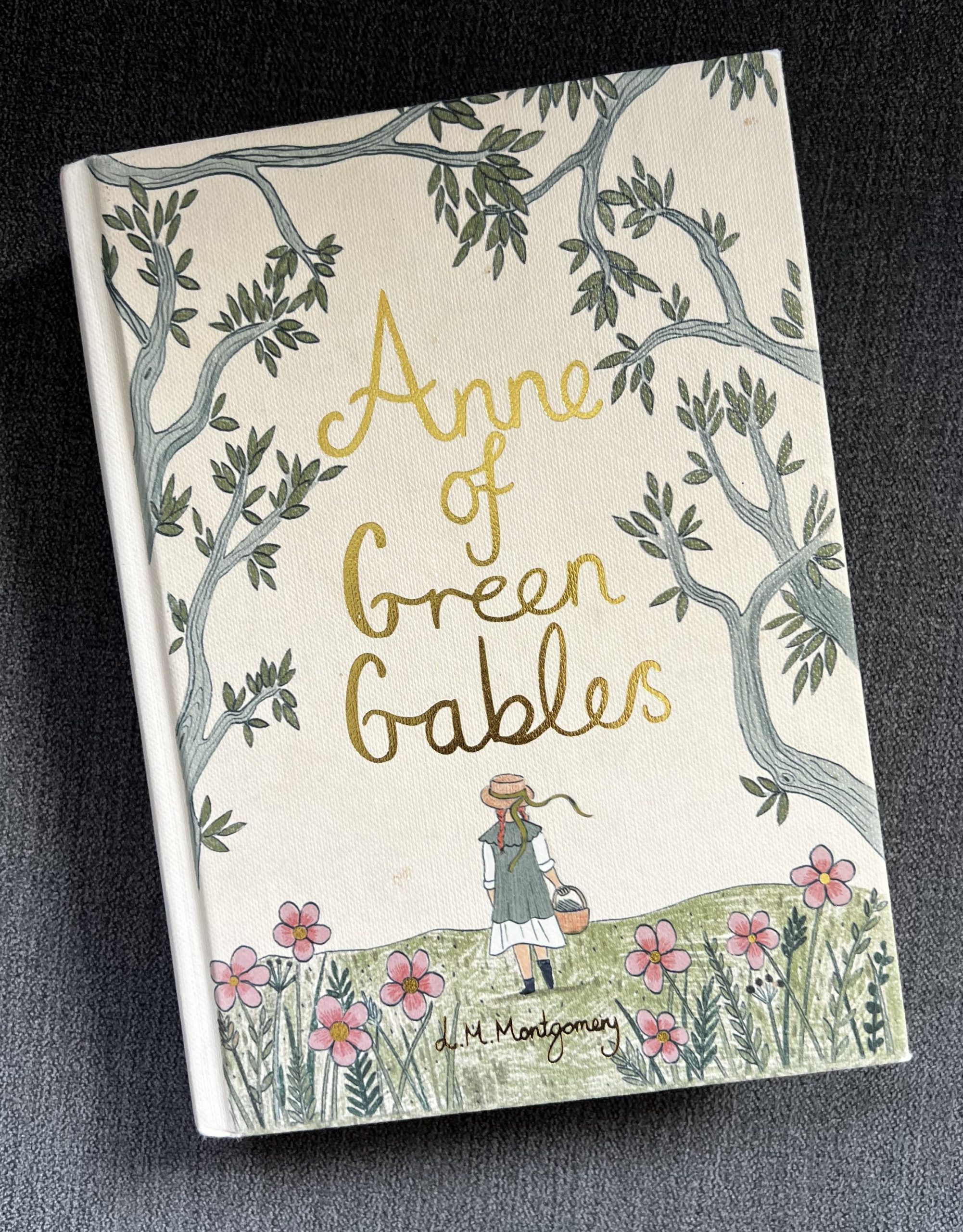
Anne of Green Gables
When Matthew and Marilla decided to adopt an orphan boy to help on their farm, the last thing they expected was a lively girl overflowing with words and imagination. Anne gets into all sorts of scrapes, always unintentionally, and struggles with her red-hot temper – but she also possesses a unique ability to befriend everyone she encounters. As Anne shares her joyful approach of life with those around her, she transforms Marilla and Matthew’s lives, and they begin to fall in love with this reckless, loving child. Anne’s heart has been desperate to find a place to call home for the entirety of her childhood – will Green Gables become the place that makes her feel as if she belongs?
A children’s classic, the widely beloved Anne of Green Gables has been a staple element of children’s literature for over a century. Anne of Green Gables is well known for its delightful depiction of childhood imagination and creative whimsy, ushering the reader into a world where every tree deserves a grand name and stories run wild. Woven in amongst Anne’s flights of fancy and hilarious hijinks, however, is a strong and steady undercurrent of home, acceptance and belonging. With a caring description of a lonely child who is desperate to find a place she can call her own, Anne of Green Gables offers a quiet and reassuring depiction of what it means to be completely and entirely accepted into a new home.
“It’s lovely to be going home and know it’s home.”
For the child welcoming a fostered or adopted sibling into their life, understanding will be offered through Anne’s passionate floods of tears when she fears Green Gables is not the home she had hoped for, and in her repeated acknowledgement of the fear she will be sent away. Great empathy can be learnt through Anne’s uncertainty that those around her will continue to offer her a safe home – an important lesson for a child lucky enough to never have experienced an unsettled home situation!
For the fostered or adopted child, Anne herself can gently come alongside their experience, offering gentle understanding if they are working through fears about what it means to belong and whether the love offered to them is conditional. Anne is a beautiful example of a child who is (as we all are!), imperfect, often ending up in ‘scrapes’, but the adults around her love her deeply, and create a safe and embracing home for her to call her own.
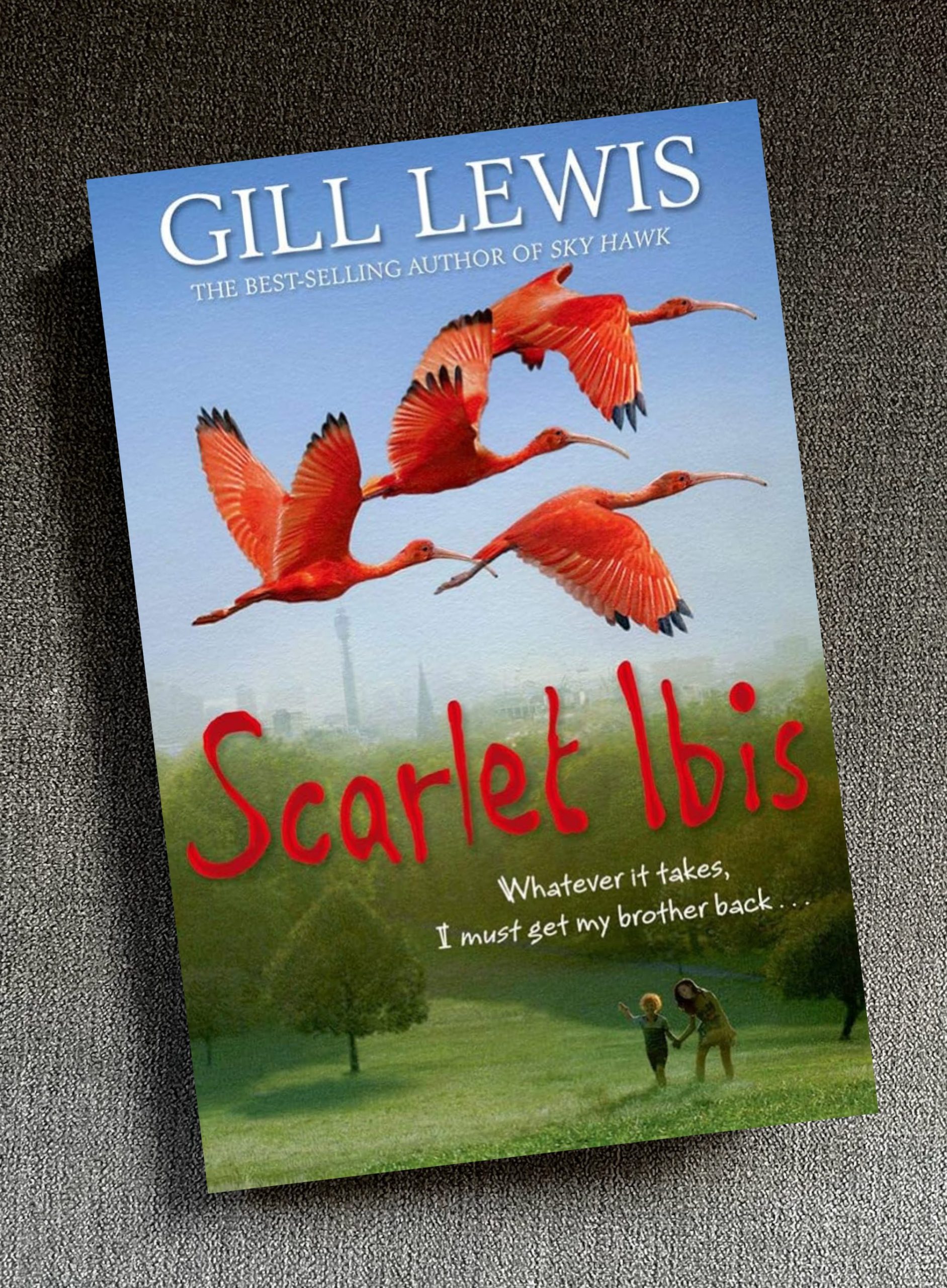
Scarlet Ibis
Scarlet and Red love being together, and dream of one day flying far away to see the thousands of birds in Trinidad. But after their mother’s cigarette makes their home catch fire, Scarlet and Red are placed into foster care – in separate homes. Scarlet’s foster family are kind, generously showering her with love and hot chocolate, but the world doesn’t feel right without Red by her side. Scarlet is desperate to find Red, and will do anything to be reunited with him. But when she does, it turns out that continuing to keep him safe on her own is harder than she ever dreamed it would be…
Demonstrating the ups and downs of foster care in a brilliantly empathetic way, Scarlet Ibis brings the reader into the disruption of Scarlet and Red’s lives when they are removed from their mother’s care and sent to separate foster homes. This book kindly demonstrates the fears of a young carer when they are removed from the family they have been engaged in caring for, alongside a depiction of a welcoming, warm foster family as Scarlet struggles to accept that she deserves the opportunity to be a child. Scarlet Ibis depicts a variety of events, from small incidents such as Scarlet hurling a mug of hot chocolate at a wall to the major moment of Scarlet returning home to a burning house and missing family, with themes of acceptance winding around the strong support networks that Scarlet discovers. This book is an eye-opening glimpse into the potential experience of a young person in care – their fears and struggles as they adjust to a more stable living situation, and, in Scarlet’s case, the added load of accepting that the weight of the world is not entirely hers to bear.
“I wish I had a dad who’d wrap his arms around me and keep me safe.”
For the child welcoming a fostered or adopted sibling into their life, characters such as Scarlet’s foster mother and brother are beautiful examples of how to welcome a young person into their home and family, as they consistently support and welcome Scarlet even through her wobbly moments. As the narrative is centred on Scarlet, this book also offers the opportunity to experience Scarlet’s thoughts, fears and processing – encouraging empathy and understanding of a situation they may not understand from personal experience.
For the fostered or adopted child, Scarlet is a character who may well have very similar life experiences to them, which can be a very comforting thing to find within the pages of a book. Even though Scarlet struggles to adjust to life with her foster family, she is consistently loved and cared for by the children and adults around her – a reassuring concept to experience for a child who may be experiencing similar thoughts, fears and feelings to Scarlet.
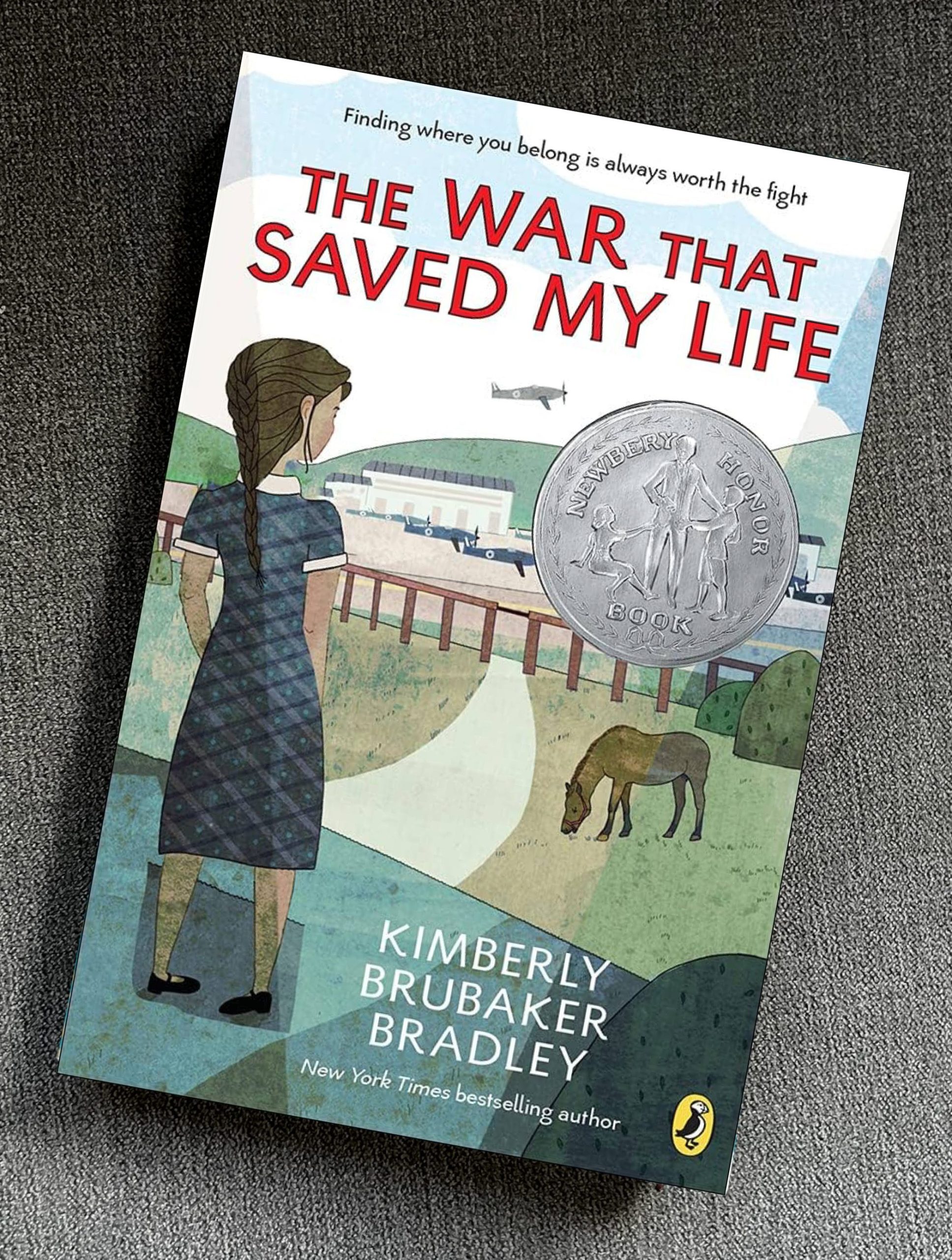
The War that Saved My Life
As the Second World War rages around them, Ada and Jamie’s cruel mother is determined to keep them under her thumb in London. When all their friends are evacuated, Ada sneaks herself and Jamie out of the house and onto a train, escaping to the countryside. They are taken in by Susan Smith, a childless woman who is reluctant to take on the challenge of two evacuees. But as she spends her days with Susan, learning to read, sew and ride Butter the pony, Ada’s cramped outlook on life begins to expand beyond the room in London. But the fear that her mother has deeply planted into her is hard to escape – and then her mother finds them, and orders Ada and Jamie to leave the care and love of Susan behind and return to Blitz-torn London…
Providing historical context and disability representation alongside a heart-wrenching depiction of trauma and foster care, The War that Saved my Life follows Ada and her brother Jamie when they are evacuated from London. Whilst evacuee stories may not be immediately obvious representation of foster care, if one takes a closer look at the concepts regularly included in this style of novel, it becomes clear how they can link in, featuring themes of leaving home and entering a new family, managing trauma and adjusting to life in a calm, compassionate home after a potentially different childhood experience. With this in mind, this book is beautifully applicable to the experience of a 21st-century adoptee or foster child, and Kimberly Brubaker Bradley delicately handles topics such as trauma caused by parental abuse and neglect with deep understanding and compassion.
“I wanted Mam to be like Susan. I didn’t really trust Susan not to be like Mam.”
For the child welcoming a fostered or adopted sibling into their life, the chance to look inside Ada’s mind and experience her thoughts, fears and sadness can usher in empathy. Certain moments in the narrative, such as Ada’s sudden panic in a moment of joy, may help to understand that times that feel joyful to them may be difficult or distressing to other children.
For the fostered or adopted child, Ada’s experience is an understanding reflection of many common thoughts and feelings around the adjustment after experiencing abuse, which can provide solidarity in a new situation. As the narrative progresses, Ada begins to trust and accept the unconditional love surrounding her – a helpful reminder for a young person who, like Ada, may be struggling to believe that things have truly changed.
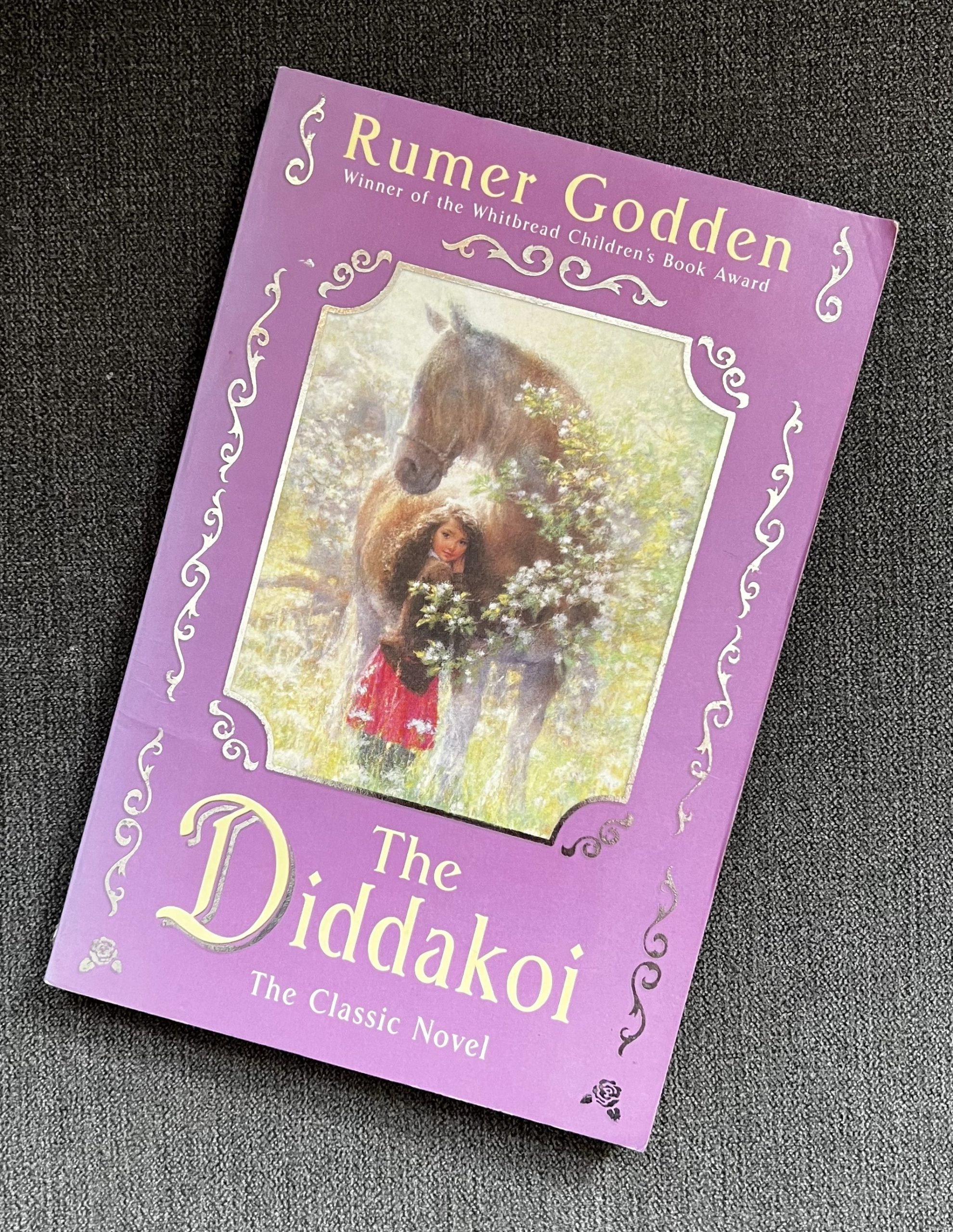
The Diddakoi
When Kizzy’s Gran dies, Kizzy would be completely content to continue living on her own in their beautiful caravan. But all the adults around her say it’s not safe for a child to live on her own, and she is packed off to live with Miss Brooke. Miss Brooke is kind and understanding, gladly allowing her the space and time to adjust to the newness of living in a house, but Kizzy is used to a traveller’s life of starry skies and horses, and struggles to adjust to life within four walls. She keeps running away to be with her Gran’s horse in Admiral Twiss’ orchard, but is always found and taken back. Will Kizzy be able to settle into her new home accept the love of Miss Brooke, or will the opinions of other children and adults crush her spirit?
Throughout The Diddakoi, the reader is ushered into Kizzy’s world – a world in which everything, from where she sleeps to how she washes – has turned completely upside-down. As Kizzy struggles with the grief of losing her Gran, her home, and her dear friend Joe the horse, she often lashes out at those around her. She lashes out physically, floods the bathroom, refuses to eat, and repeatedly runs away from her new home. This is a clear, calm, and very accepting depiction of a potential adjustment to a new living situation, and Kizzy’s behaviour is accepted by the reasonable adults around her (whilst some adults are less understanding, it is made clear that they are unreasonable in their behaviour and opinions!)
“Children are people”
For the child welcoming a fostered or adopted sibling into their life, who may find that some of the behaviours shown by the child as they adjust may be surprising or unsettling, The Diddakoi gently demonstrates some of the reasons behind why a person might act in a surprising way as they adjust to a new home, showing some of the ways that life might have been different to what a child is used to, combining this with loving acceptance from the adults surrounding Kizzy as she adjusts.
For the fostered or adopted child, Kizzy comes alongside them in solidarity throughout grief and uncertainty. The Diddakoi combines a reassuring nod from a fellow child. Kizzy does struggle to adjust, but eventually finds a comfortable balance between her old and new life, with support from those around her. The Diddakoi is altogether a very hopeful depiction of uncertainty ultimately ending happily for the child in care, which can provide reassurance in the midst of change.
It is worth mentioning that Rumer Godden and Lucy Maud Montgomery’s books often feature themes linking into adoption and foster care, and are very worth exploring! For example, in Rumer Godden’s sweet story, Miss Happiness and Miss Flower, concepts of loneliness, being far from home, and welcoming a new member of the family are explored alongside the life of two little ‘living’ dolls as their owner builds them a home alongside the process of finding home for herself.
Lucy Maud Montgomery’s Anne series continues to explore the life of Anne, with regular explorations of the concept of family, adoption and welcoming others into your home, whilst her Emily of New Moon books follow a young orphan when she is adopted by her aunts. Both series are childhood favourites of mine, full of empathy and understanding alongside beautiful descriptions of nature and relationships.
Whether your family are currently involved in fostering or adoption, considering whether this is the right next step for your family, or are simply hoping to widen your horizons and increase your understanding, I hope that you have found a new book to enjoy and explore here!